Installing a stove is notifiable building work. Here’s what the rules cover, why a HETAS certificate matters, and what you should receive at handover.
By The Bella Bespoke team · HETAS registered installers, Westcliff-on-Sea
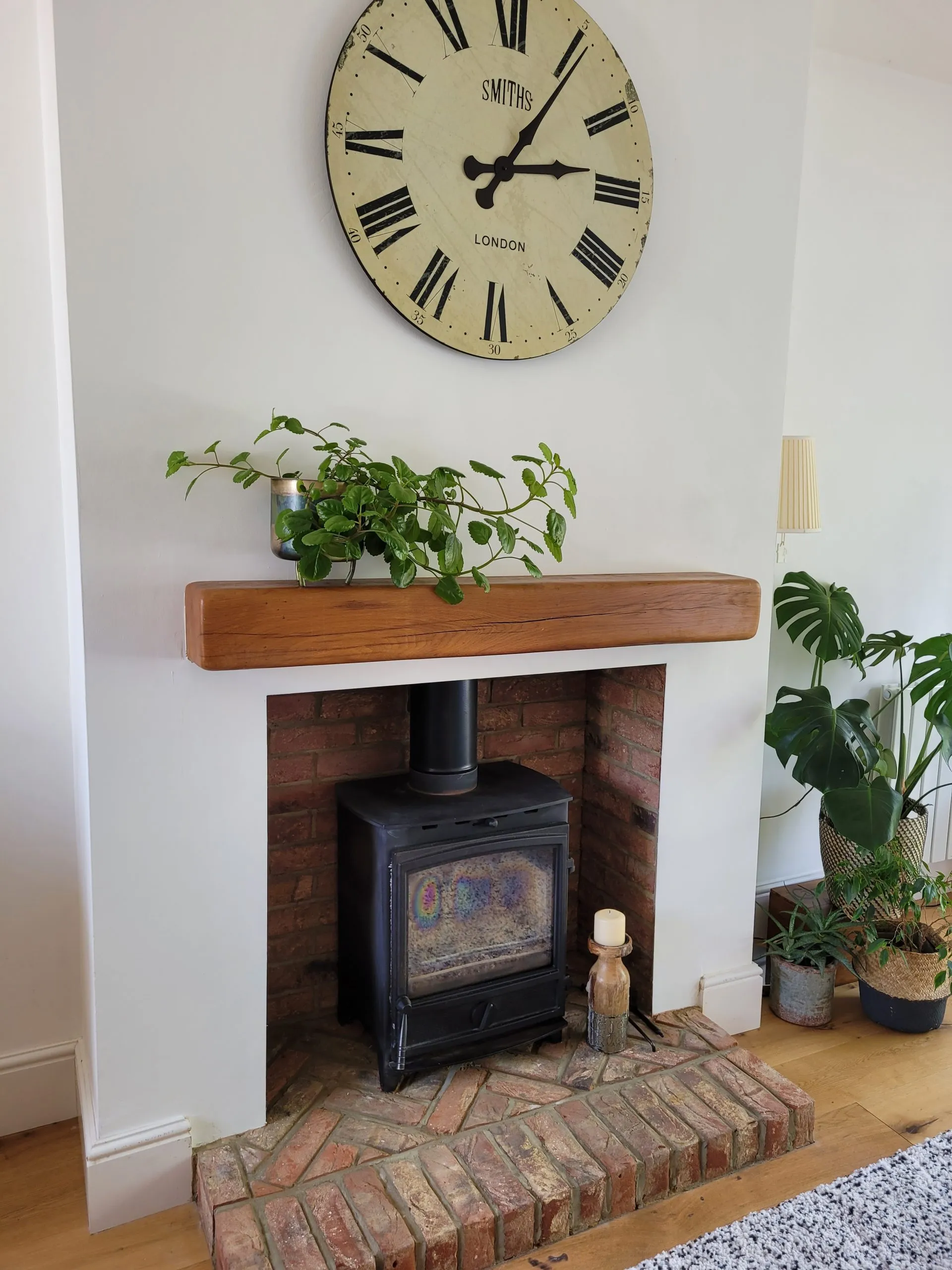
Installing a wood-burning or multi-fuel stove is notifiable building work, so it must meet the Building Regulations — and the simplest way to prove it does is to use a HETAS registered installer, who certifies the work and notifies building control for you. You then receive a Certificate of Compliance for your records.
Why is a stove installation regulated?
A stove produces very hot surfaces, a flue full of hot gases and, if something goes wrong, carbon monoxide. The regulations exist to make sure the appliance, hearth, flue and ventilation work together safely.
What does Approved Document J cover?
Approved Document J (combustion appliances and fuel storage systems) is the part of the Building Regulations guidance that applies to stoves. It covers, among other things:
- Hearths — a non-combustible hearth of the right size and thickness. Where the hearth could get hot, a constructional hearth (at least 125mm thick) is required.
- Clearances from the stove and flue to combustible materials such as timber beams and plasterboard.
- Flues and chimneys — the right size, lining, height and termination point.
- Ventilation — a permanent air supply where the stove’s output and the home’s airtightness require it.
- Carbon monoxide alarms — required in the room when a new or replacement appliance is fitted.
What is HETAS, and why use a registered installer?
HETAS runs a government-authorised competent person scheme for solid fuel and biomass heating. Registered installers are trained and assessed, and they can self-certify that their work complies — saving you the time and cost of a separate building control application.
What if I don’t use a registered installer?
Then you (or your builder) must apply to local authority building control before the work starts, pay their fee, and have the installation inspected. Without either route, the work isn’t compliant — which can cause problems with insurance and when you sell your home.
What should you receive at handover?
From us, every installation comes with:
- A HETAS Certificate of Compliance.
- Confirmation that the work has been notified to your local authority (they send their own certificate).
- A notice plate (required by the regulations) recording key details of the hearth, flue and appliance.
- A walk-through of how to light, run and maintain your stove safely.
Where can I check an installer?
You can search the HETAS register of installers and read the official Approved Document J on GOV.UK.
Bella Bespoke is HETAS registered, and we handle the paperwork as part of every stove installation. Book a free survey.
Frequently asked questions
Yes. Installing a solid fuel appliance is notifiable work. Either use an installer registered with a competent person scheme such as HETAS, who can self-certify it, or apply to your local building control before the work starts.
It’s the Certificate of Compliance issued when a HETAS registered installer has fitted your appliance to the Building Regulations. The installation is also notified to your local authority, which issues its own confirmation.
You may have difficulty with home insurance or when selling the house, and there could be safety issues. Ask your local building control about getting the work assessed, or have a HETAS engineer inspect it.
Yes. A carbon monoxide alarm must be fitted in the room when a new or replacement solid fuel appliance is installed.
Want expert advice for your home?
Book a free, no-obligation survey with our HETAS registered team.
- #building regulations
- #HETAS
- #safety
- #log burners