Many older chimneys aren’t in a fit state to take a modern stove on their own. Here’s when a liner is needed and what it does.
By The Bella Bespoke team · HETAS registered installers, Westcliff-on-Sea
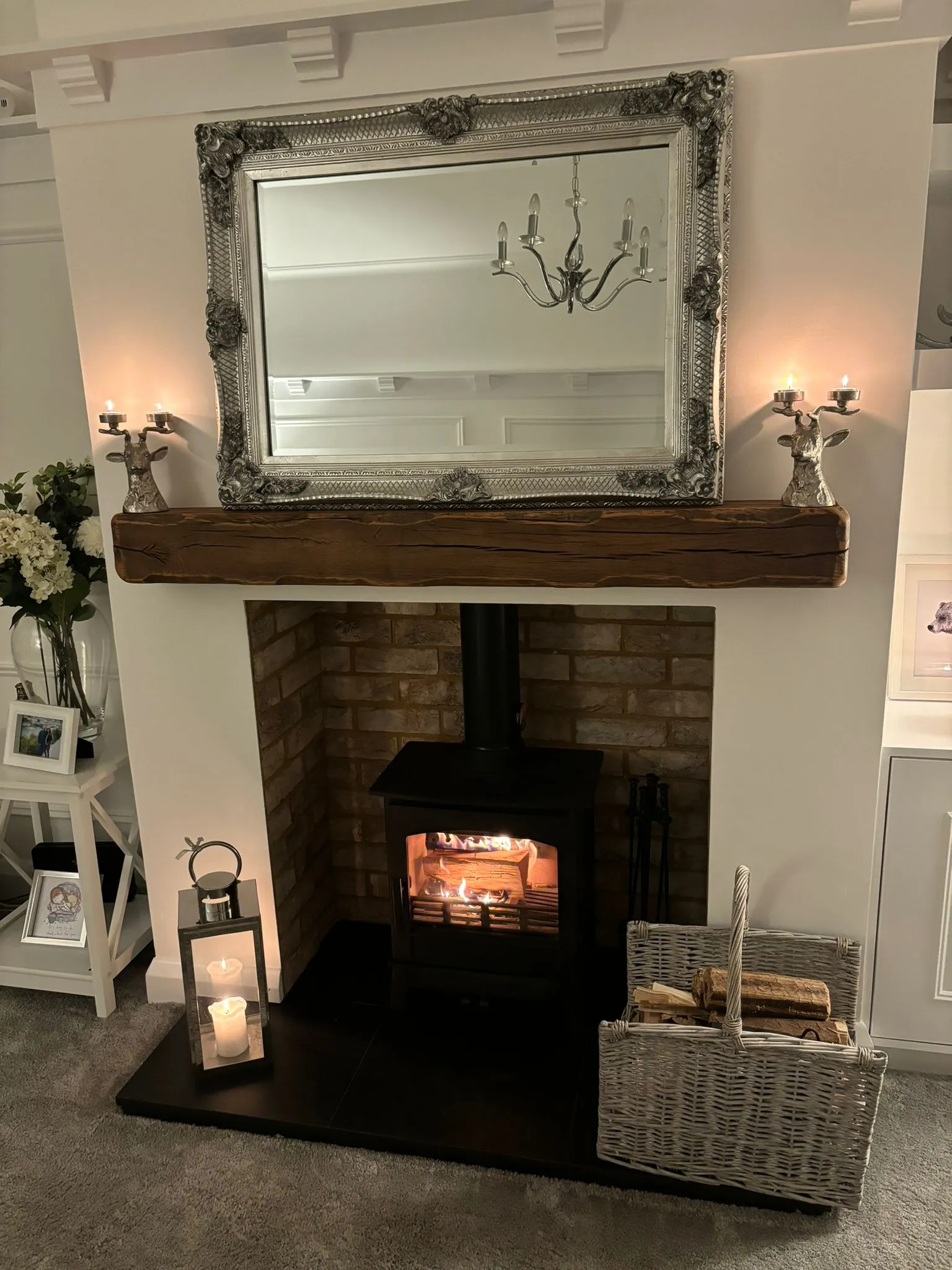
You don’t always need a chimney liner — but your chimney has to be sound, correctly sized and able to draw properly, and many older chimneys aren’t. When they aren’t, a flexible stainless steel liner is the most common and reliable solution.
What does a chimney liner do?
A liner is a tube that runs from the top of your stove to the chimney pot. It:
- Seals the flue, so smoke and gases can’t leak through cracks into rooms or the loft.
- Sizes the flue correctly for your stove, so it draws properly.
- Keeps gases warm on the way up, which reduces condensation and tar.
- Makes sweeping easier.
When is a liner usually needed?
- The chimney fails a smoke test, showing leaks.
- The flue is much larger than the stove needs — common with old open-fire chimneys — so gases cool and the stove draws poorly.
- There are signs of damage: tar stains on walls, crumbling mortar, or smoke where it shouldn’t be.
- The chimney has never been lined and its condition is unknown.
What size liner does a stove need?
Most wood-burning stoves need a 150mm (6") flue. Some DEFRA exempt stoves are approved to run on 125mm (5"). The stove manufacturer’s instructions and Approved Document J set the requirement — we check both during your survey.
Which type of liner is best?
Flexible stainless steel liners are the most common. They come in different grades of steel; the right one depends on the fuels you’ll burn. Multi-fuel use is generally more demanding on a liner than wood alone. We’ll specify the right grade for your stove and fuel.
What if there’s no chimney at all?
No problem — you can still have a log burner using an insulated twin-wall flue. See log burners without a chimney.
How do I find out whether my chimney needs lining?
Book a survey. We inspect the chimney, carry out a smoke test and recommend the right solution — lining, repair, or a new flue. All our chimney lining and flue work is HETAS certified. Get in touch.
Frequently asked questions
Not in every case. The Building Regulations require the flue to be safe, correctly sized and in good condition. Where an existing chimney doesn’t meet that standard — which is common in older homes — lining it is the usual way to comply.
It depends on the liner grade, the fuel you burn and how well the stove is used and maintained. Burning dry wood and having the flue swept regularly gives a liner the longest life.
Often yes. Lining an existing chimney can solve leaks and poor draw. Where there is no usable chimney at all, a twin-wall insulated flue system is an alternative.
Want expert advice for your home?
Book a free, no-obligation survey with our HETAS registered team.
- #chimney
- #chimney liner
- #flue
- #log burners